SPINE20

SPINE20 · 7th Annual Meeting · New York 2026

The City of New York

New York: a city of connection, ambition and reinvention

New York City is one of the world’s most recognizable urban centers – a place where cultures, ideas and ambitions meet. Set around one of the world’s great natural harbors, the city is composed of five boroughs: Manhattan, Brooklyn, Queens, the Bronx and Staten Island. Together they form a metropolis of approximately 8.6 million residents and an extraordinary mosaic of languages, traditions and communities.

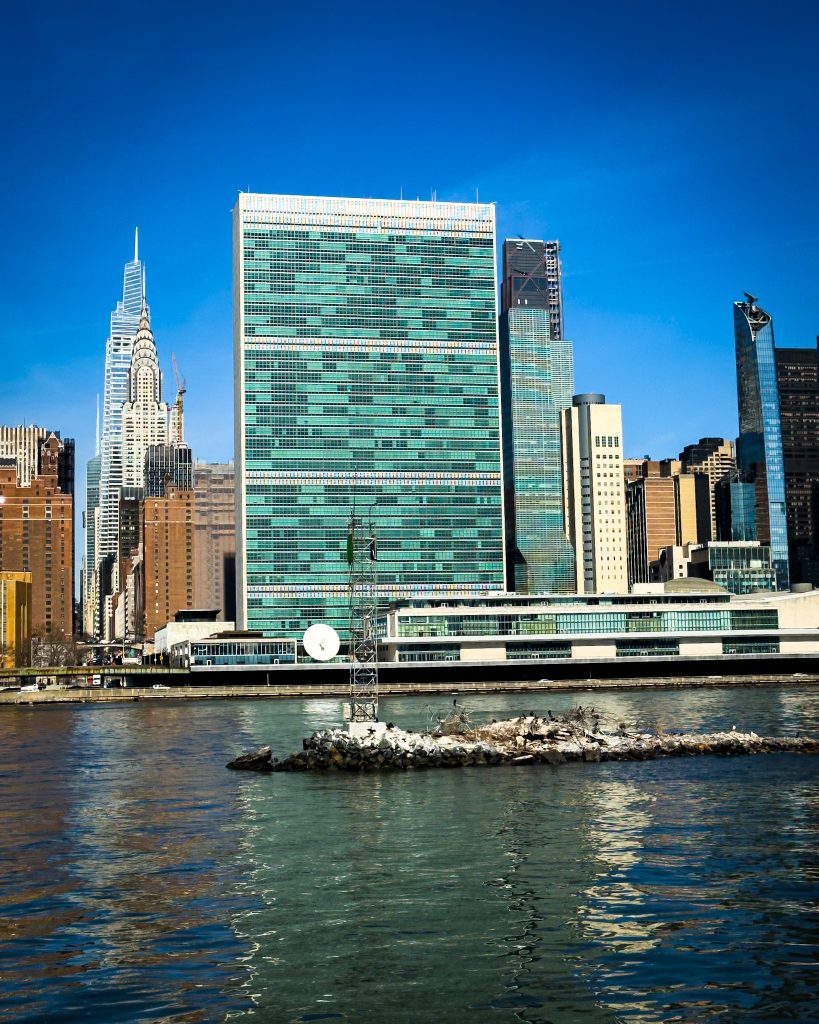
Known around the world as the ‘Big Apple’ and often described as the city that never sleeps, New York has long been a gateway between nations. Its skyline expresses innovation and confidence; its neighborhoods reveal the stories of generations who arrived, built communities and reshaped the city. Today, New York remains a global center for medicine, science, diplomacy, finance, media, culture and the arts.

For SPINE20, New York is more than a memorable host city. It is an appropriate setting for international dialogue: a city whose identity has been built through diversity, exchange and the conviction that complex challenges can be addressed through collaboration. These qualities closely reflect SPINE20’s mission to advance evidence-based, equitable and sustainable spine care worldwide.

History

A brief history of New York

For thousands of years before European settlement, the region was home to Lenape communities. In the early seventeenth century, the Dutch established New Amsterdam on the southern tip of Manhattan. England took control in 1664 and renamed the settlement New York. Its exceptional harbor and access to the Hudson River helped the city grow rapidly as a center of trade, migration and enterprise.

New York played a prominent role in the formation of the United States and briefly served as the nation’s capital from 1785 to 1790. The opening of the Erie Canal in 1825 strengthened its connection to the country’s interior, accelerating commerce and population growth. In 1898, Manhattan, Brooklyn, Queens, the Bronx and Staten Island were consolidated into the modern City of New York.

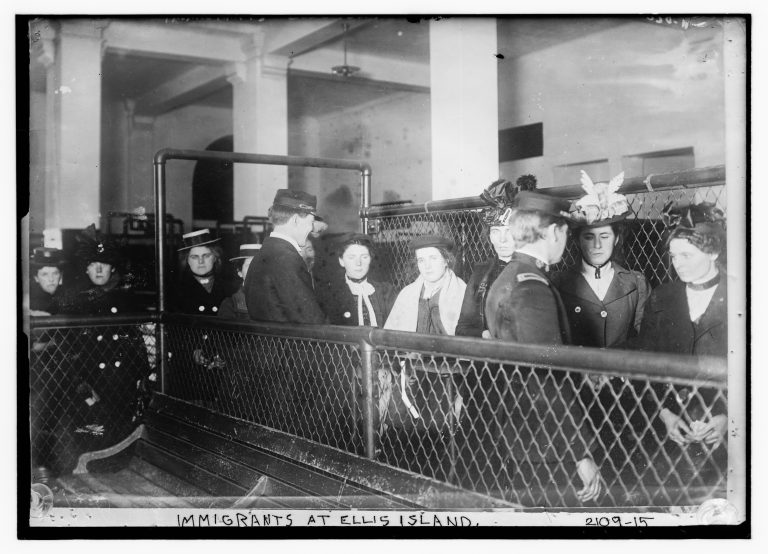
During the great era of transatlantic migration, millions of newcomers passed through the Port of New York. More than 12 million immigrant steamship passengers were processed at Ellis Island between 1892 and 1954. Their journeys helped shape New York’s enduring identity as a city of opportunity, resilience and cultural exchange.

Immigrants at Ellis Island
Immigrants at Ellis Island, gateway to New York for millions of newcomers.
SPINE20 2026

SPINE20 in New York

SPINE20 2026 will not follow the format of a conventional annual meeting, nor will it be organized around a single scientific or advocacy theme. Instead, New York will host a Strategic Summit dedicated to reflecting on SPINE20’s journey and achievements over the past six years, assessing the progress made, and identifying the lessons that should guide its future direction.

Building on this foundation, participants will work together to define how SPINE20 can further evolve, strengthen its global role, and enter a new phase of development. New York—an international center of dialogue, innovation and collaboration—provides an appropriate setting for this important moment of reflection, renewal and strategic planning.

Visitor Guide

What to see in New York City

New York rewards both first-time visitors and those returning to the city. The following landmarks offer a balanced introduction to its history, public life, architecture and culture.

Statue of Liberty and Ellis Island

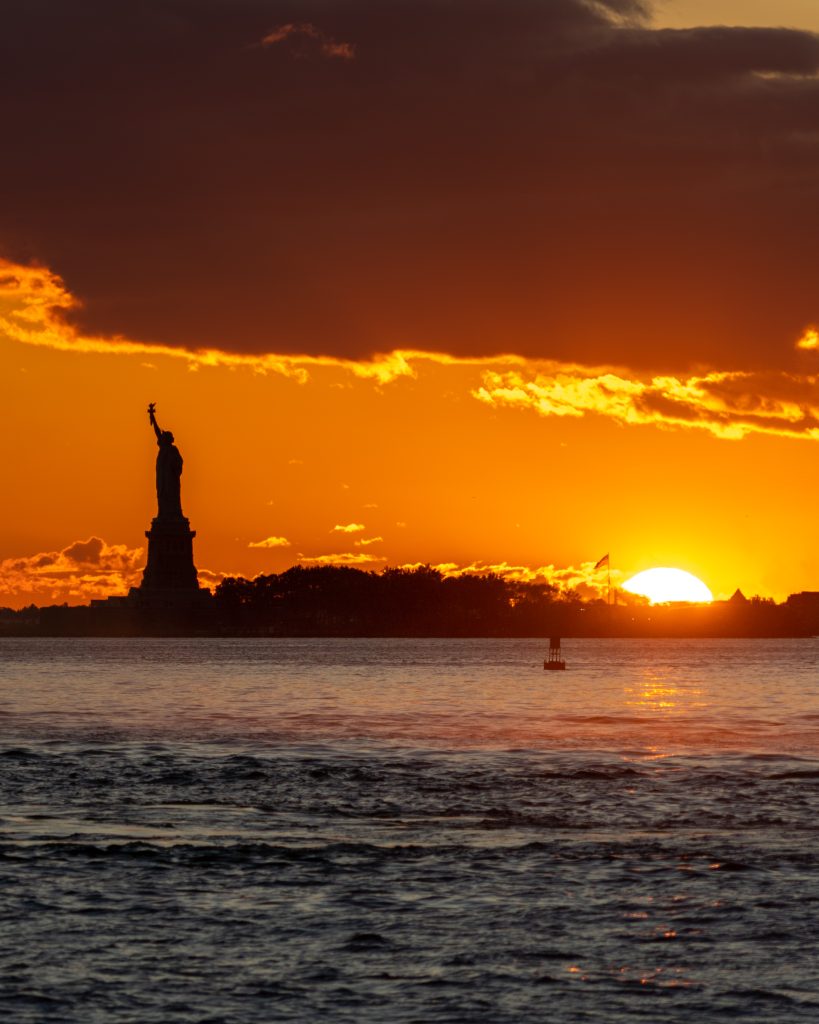
Statue of Liberty and Ellis Island

Standing in New York Harbor, the Statue of Liberty was dedicated in 1886 as a gift of friendship from the people of France to the United States. It became a universal symbol of freedom and democracy. Nearby Ellis Island preserves the story of one of the greatest migrations in modern history. Together, the two sites provide a compelling introduction to New York’s role as a gateway to the world.

Central Park

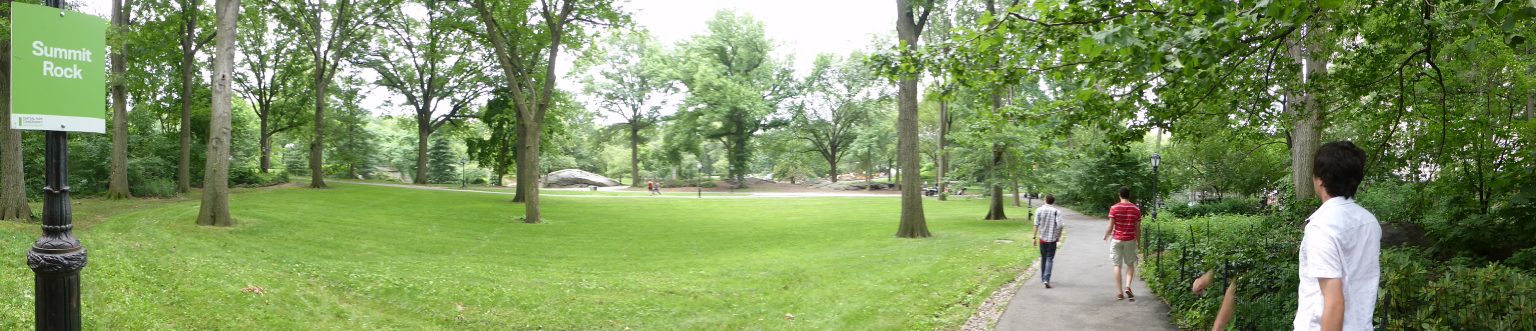
Central Park

Created in the nineteenth century, Central Park provides a vast green landscape in the center of Manhattan. Its paths, lakes, lawns, bridges and cultural institutions offer a quieter counterpoint to the city’s intensity. A short walk through the park is one of the most accessible ways to experience how nature and urban life coexist in New York.

Times Square and Midtown Manhattan

Times Square and Midtown Manhattan

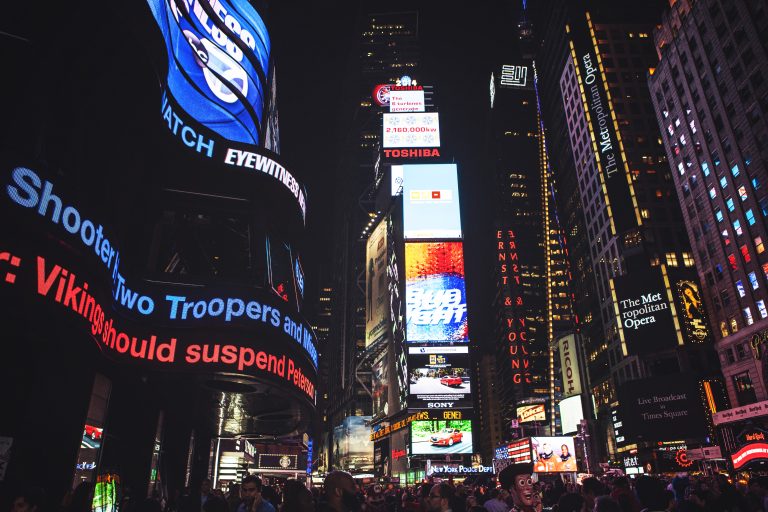
Times Square is famous for its illuminated signs, theaters and constant movement. Nearby landmarks include Rockefeller Center, Grand Central Terminal, Bryant Park and the New York Public Library. Visitors seeking a more relaxed experience may prefer to see Times Square briefly before exploring Midtown’s architecture and public spaces.

The Brooklyn Bridge and Brooklyn Bridge Park

Completed in 1883, the Brooklyn Bridge is both an engineering landmark and one of New York’s defining visual symbols. Walking across the bridge reveals memorable views of Lower Manhattan, the East River and Brooklyn. The waterfront park below offers additional skyline viewpoints and an inviting setting for a short visit.

The High Line

The High Line transformed an elevated freight railway into a linear public park on Manhattan’s West Side. Its landscape design, art installations and views of the surrounding architecture illustrate New York’s continuing ability to adapt historic infrastructure for contemporary public life.

Museums and culture

New York’s cultural institutions span art, history, science, design and performance. The Metropolitan Museum of Art, the Museum of Modern Art, the American Museum of Natural History and the Whitney Museum of American Art are among the city’s best-known museums. Broadway, Lincoln Center, Carnegie Hall and numerous smaller venues reflect the extraordinary breadth of its performing arts.

Beyond Manhattan

Experience the five boroughs

Although many iconic landmarks are in Manhattan, New York’s character is best understood across all five boroughs:

Manhattan

The city’s best-known skyline, major cultural institutions, Central Park, Broadway and many historic neighborhoods.

Brooklyn

Waterfront views, brownstone neighborhoods, creative communities, Prospect Park and a celebrated food and arts scene.

Queens

One of the world’s most culturally diverse urban areas, with international cuisine, major sports venues and the museums of Long Island City.

The Bronx

Home to the New York Botanical Garden, Yankee Stadium, the Bronx Zoo and communities central to the birth and development of hip-hop.

Staten Island

A quieter borough reached by the Staten Island Ferry, with expansive harbor views and access to parks and historic s

Before You Travel

Practical visitor notes

Time zone

New York uses Eastern Time. In September, the city normally observes Eastern Daylight Time (UTC-4).

Climate

September is generally warm to mild, but conditions can vary. Light layers, comfortable walking shoes and a compact umbrella are useful.

Airports

The metropolitan area is served principally by John F. Kennedy International Airport (JFK), LaGuardia Airport (LGA) and Newark Liberty International Airport (EWR).

Getting around

The subway and bus network provides extensive service across the city. Walking is often the best way to explore individual neighborhoods, while ferries offer a scenic perspective of the harbor and skyline.

Currency and payment

The currency is the United States dollar (USD). Credit cards and contactless payment are widely accepted.

Electricity

The United States uses 120 volts at 60 Hz, with Type A and Type B plugs. International visitors may require a plug adapter and should confirm that their devices support the local voltage.